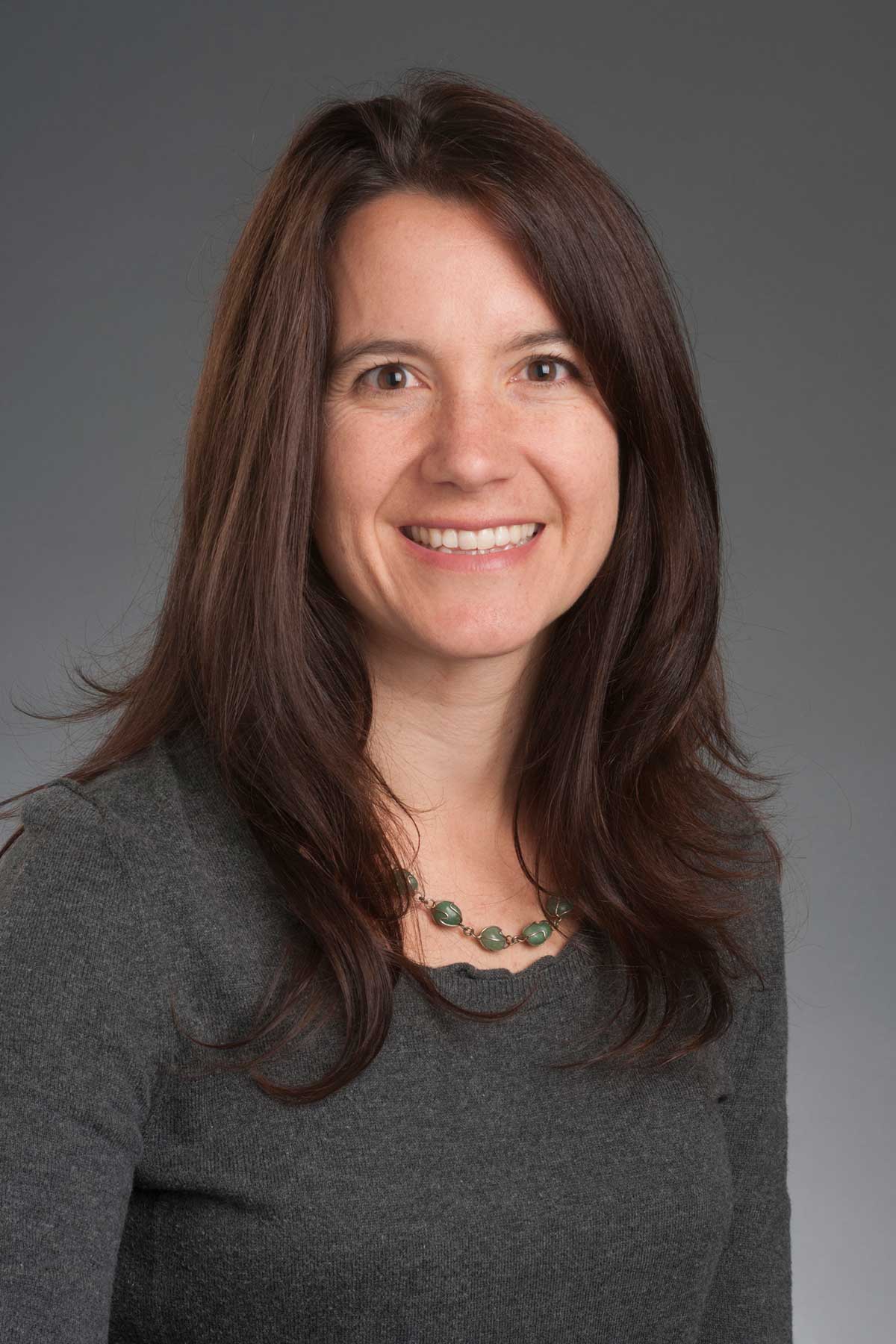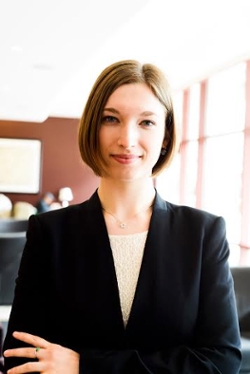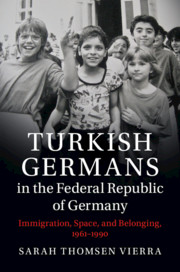
I received my PhD in modern European history from the University of North Carolina at Chapel Hill. Each semester, I teach two online, upper-level history courses, one in European history and one in global history.
I have good memories from all of the history courses I took at Willamette. I think some of my favorites, though, came from when I took courses that were team-taught. My junior year, I was in Bill Smaldone and Jerry Gray's course on Marx's Capital, and my senior year, I took Bill Smaldone (noticing a pattern?) and Ellen Eisenberg's Holocaust course. In both cases, it was really interesting to see how both professors engaged with the material, each other, and the students, and it was a very rich experience.
I learned a lot about the material in both courses, and I feel like I got a great and immediate example of how different perspectives illuminate different aspects of the same historical event of development. When I was teaching on the ground at New England College, I had the opportunity to team-teach Western Civilization with an art historian, and it was great to be able to create that type of multi-dimensional environment for my students (and myself!) as well.
The study of history has taught me is the importance of a critical, thoughtful approach to information. Arguments are different than opinions, and not all arguments are equally valid. If I want to understand the world around me, I need to approach it with an open mind *and* a critical eye. As a history professor, it's great to be able to draw on so many of the skills I learned as a student in my own classes. The one that I try hardest to encourage in my own students is the skill of civil, evidence-based debate. History as a discipline is, in no small part, about arguing, because the strongest, evidence-based arguments get us closest to understanding the past. Oftentimes, students don't want to disagree with each other, or they feel more comfortable with the idea that "you have your position, I have mine." I want them to learn that a good argument is actually a productive, stimulating, necessary part of understanding the past and the world we live in today.





 "The history department at Willamette is filled with innovative and brilliant scholars, who are also wonderful people."